
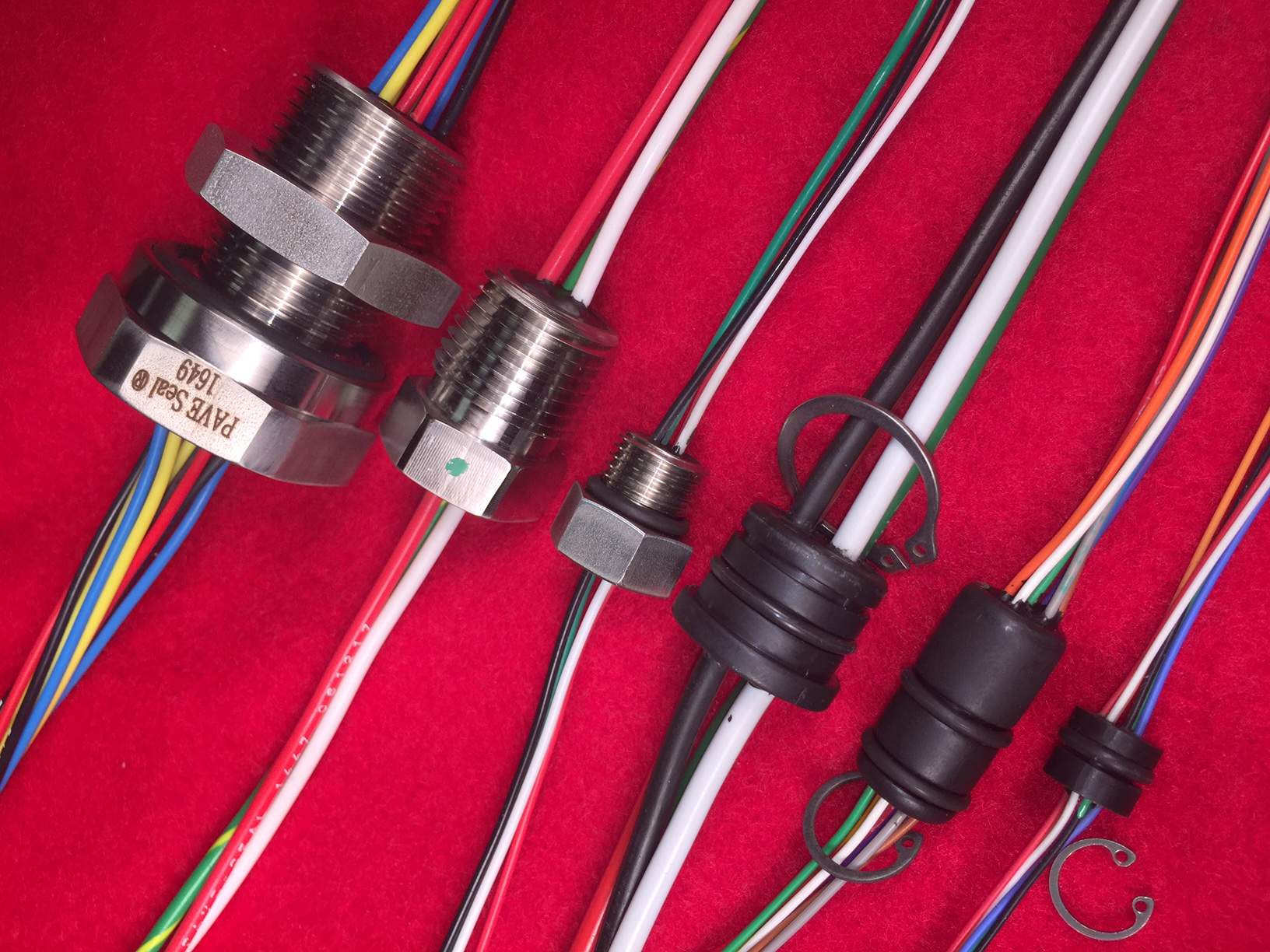
In the world of oil and gas equipment, hermetic feedthroughs play a crucial role in ensuring the smooth and efficient operation of various systems. These specialized components provide a reliable seal against the ingress of moisture, contaminants, and other harmful substances, helping to maintain the integrity and performance of critical equipment in harsh operating environments.
What are Hermetic Feedthroughs?
Hermetic feedthroughs are specially designed electrical connectors that are used to pass electrical signals, power, or data through a sealed barrier. These feedthroughs are commonly used in applications where a high level of protection is required, such as in oil and gas equipment, medical devices, aerospace systems, and military electronics.
Hermetic feedthroughs are typically made from materials such as glass, ceramic, or metal, which are known for their excellent sealing properties and resistance to extreme temperatures, pressure, and corrosive environments. These materials ensure that the feedthroughs can withstand the harsh conditions found in oil and gas equipment without compromising their performance or reliability.
The Importance of Hermetic Feedthroughs in Oil and Gas Equipment
In the oil and gas industry, equipment is often exposed to challenging conditions, including high pressures, corrosive fluids, and extreme temperatures. Hermetic feedthroughs play a crucial role in ensuring that sensitive electronic components remain protected and operational in these harsh environments.
By providing a reliable seal against the ingress of moisture, gases, and other contaminants, hermetic feedthrough helps to prevent corrosion, short circuits, and other forms of damage that can compromise the performance of critical equipment. This can help to extend the lifespan of oil and gas equipment, reduce maintenance costs, and improve overall operational efficiency.
Applications of Hermetic Feedthroughs in Oil and Gas Equipment
Hermetic feedthroughs are used in a wide range of oil and gas equipment, including downhole tools, wellhead equipment, subsea sensors, and control systems. These feedthroughs are integral to the operation of various systems, such as pressure sensors, temperature gauges, flow meters, and communication devices, ensuring that data can be transmitted accurately and reliably in real-time.
One common application of hermetic feedthroughs in oil and gas equipment is in the sealing of cables that pass through wellheads and other components. These feedthroughs help to prevent the penetration of fluids, gases, and debris into the cables, ensuring that signals can be transmitted without interference and that equipment remains protected from external threats.
Conclusion
In conclusion, hermetic feedthroughs play a vital role in ensuring the reliable and efficient operation of oil and gas equipment in challenging environments. These specialized components provide a high level of protection against moisture, contaminants, and other harmful substances, helping to maintain the integrity and performance of critical systems. By investing in quality hermetic feedthroughs, companies can improve the durability, reliability, and safety of their equipment, ultimately leading to cost savings and increased productivity in the long run.
About the Author
